


Last Updated: November 22, 2026
Quick Summary
To clean an outdoor pizza oven, let it cool completely, then scoop out ash and brush the stone and floor with a stiff brush using dry methods. Use only a barely damp cloth and neutral soap where needed, and never soak a pizza stone or clean a hot oven.
- Confirm the oven floor is at ambient temperature with a non-contact infrared thermometer before cleaning.
- Sweep ash and debris after every bake, and brush the stone and floor weekly or after heavy use.
- Run a high-temperature burn-off monthly to turn food residue into ash you brush away once cool.
- Never dump warm ash into a plastic bin or paper bag; use a metal container outdoors for a day.
- Skip harsh chemicals and pressure washing, which leave residue and drive moisture into brick and refractory.
Table of Contents
- What You Need Before You Start Cleaning Your Outdoor Pizza Oven
- Step 1: Let the Oven Cool and Clear Ash, Embers, and Debris
- Step 2: How to Clean Pizza Oven Stone and the Cooking Floor
- Step 3: How to Clean a Wood Fired Pizza Oven Interior and Soot
- Step 4: Picking the Right Pizza Oven Cleaning Brush and Tools
- Step 5: Removing Oil, Grease, and Burnt-On Food Stains
- Mistakes to Avoid and How Often to Clean Your Outdoor Pizza Oven
- Protect Your Oven Between Bakes With the Right Launch Tools
- Frequently Asked Questions
What You Need Before You Start Cleaning Your Outdoor Pizza Oven
Learning how to clean an outdoor pizza oven starts with the right supplies and one hard rule: never clean a hot oven. Rushed cleaning causes more damage than most people expect, so gather everything first.
Here's what to have on hand:
- A stiff oven brush with brass or stainless bristles
- A small dustpan and scraper
- A microfiber cloth and a damp cloth
- Warm water with a little neutral soap
- A non-contact infrared thermometer
That last tool matters more than people expect. You need to confirm the oven has cooled before you touch the cooking surface. A handheld non-contact thermometer for pizza ovens and grills lets you check the floor temperature from a safe distance before you start.

Watch out: Cleaning while the oven is still warm can crack a pizza stone and warp metal parts. Wait until the floor reads cool to the touch.
Step 1: Let the Oven Cool and Clear Ash, Embers, and Debris
Cooling is the first real step, and skipping it is the most common mistake. Let the fire die out completely and give the oven time to drop to ambient temperature.
Once cool, clear the loose material:
- Scoop out ash with a small dustpan, working from the back toward the door.
- Remove any leftover embers and set them aside in a metal container.
- Brush away dust and loose debris from the oven floor and door opening.
Handle ash gently. It's light and it goes airborne fast, so keep your face back and work slowly.
Never dump warm ash into a plastic bin or a paper bag. Use metal, and let it sit outside for a day before disposal.
Step 2: How to Clean Pizza Oven Stone and the Cooking Floor
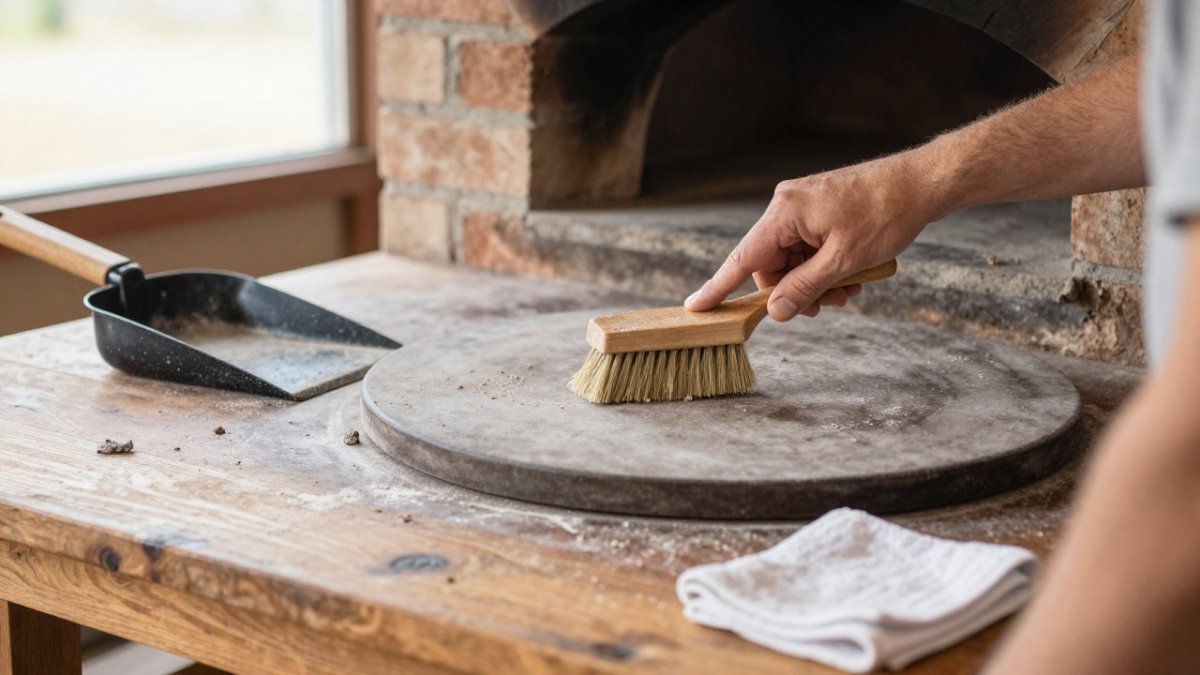
Cleaning a pizza stone is mostly about dry methods, not soap and water. Stone is porous, so it absorbs liquid and can hold odors.
Work in this order:
- Brush the stone with a stiff brush to lift flour and burnt crumbs.
- Scrape stuck-on spots with a flat scraper, holding it at a low angle.
- Wipe with a barely damp cloth, then let the stone dry fully.
For deeper cleaning, run a high-temperature burn-off. A hot fire turns food residue to ash, and you brush it away once cool.
Use water sparingly on stone. A soaked stone can crack when it heats back up.
Step 3: How to Clean a Wood Fired Pizza Oven Interior and Soot
Soot and smoke residue behave differently depending on what the oven is made of and what fuel it burns. Before you pick up a brush, identify your oven type, because the wrong method can stain porous brick or scratch a refractory floor.
Wood-fired brick or refractory ovens. Soot collects on the dome and walls as a soft, fluffy layer. Most of it burns off during the next firing, so routine cleaning is dry and light.
Gas ovens. The interior is usually steel or a coated surface, and soot is minimal. Wipe with a damp cloth and skip harsh chemicals entirely. Check the burner ports for ash or grease blocking the holes, and clear them with a soft brush. Never spray water into a gas burner or pilot assembly.
Ovens with removable stones. Lift the stone out before cleaning the interior walls so soot does not fall onto the cooking surface. Clean the stone separately using the dry method in Step 2, and vacuum or brush the empty floor cavity.
Safe handling of soot and ash. Soot is fine and goes airborne easily. Wear a dust mask and eye protection when brushing the dome, keep your face back, and work slowly. Never use a shop vacuum on warm ash; even a small ember can ignite the filter.
Chimney and flue. Soot and creosote can build up in the flue over time. An annual inspection and a brush-down of the chimney with a properly sized flue brush can help prevent draft problems and smoke backing into the oven mouth. If the flue has a damper, check that it opens and closes freely.
Watch out: Brushing a hot dome can send soot and embers into the air and onto your skin. Confirm the oven is at ambient temperature with a non-contact thermometer before you reach inside.
Step 4: Picking the Right Pizza Oven Cleaning Brush and Tools
The right pizza oven cleaning brush does most of the work for you. The wrong one scratches your stone or sheds bristles into your food.
Here's how the main options compare:
| Tool | Best For | Watch Out For |
|---|---|---|
| Brass bristle brush | Stone floors, general sweeping | Can scratch polished metal |
| Stainless wire brush | Stubborn burnt-on spots | Too harsh for soft stone |
| Nylon brush | Cool surfaces, light dust | Melts near heat |
| Scraper | Flat stuck-on residue | Can gouge if angled wrong |
Skip cheap brushes with loose bristles. A stray metal bristle in a pizza is a real hazard.
Care for your tools too. Peels and scrapers need their own attention, and our guide on how to clean an aluminum pizza peel without damaging it covers that step by step. If you're building out your kit, this list of the 7 best pizza oven accessories covers brushes and tools worth owning.
Step 5: Removing Oil, Grease, and Burnt-On Food Stains
Grease and oil stains need a gentler touch than ash. Start dry, then move to a damp cloth only where needed.
- Blot fresh grease with a dry microfiber cloth.
- Wipe the spot with a damp cloth and a drop of neutral soap.
- Scrub burnt-on food with a stiff brush, not a metal scraper.
- Dry the surface completely before the next bake.
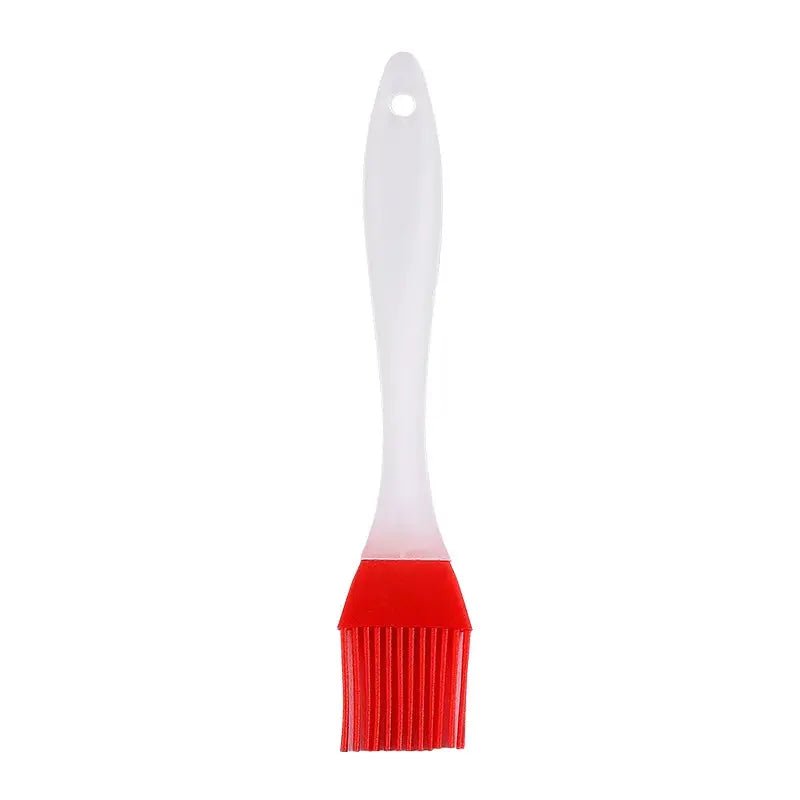
An oil brush helps here. Apply a thin coat of oil to season the floor evenly instead of pooling it, which cuts down on future sticking and staining.
Avoid abrasive cleaners and harsh chemicals. They leave residue that ends up in your crust.
Mistakes to Avoid and How Often to Clean Your Outdoor Pizza Oven
A simple routine keeps the oven in shape without much effort. Here's the schedule we recommend:
| Task | Frequency |
|---|---|
| Sweep ash and debris | After every bake |
| Brush the stone and floor | Weekly, or after heavy use |
| Burn-off for residue | Monthly |
| Deep clean interior and soot | Seasonally |
| Inspect flue and chimney | Annually |
The mistakes that cause the most damage, and why:
- Cleaning a hot oven. Water on a hot stone or refractory floor causes thermal shock, which can crack the stone or spall the surface. Metal parts can warp. Always confirm the floor is at ambient temperature with a non-contact thermometer.
- Soaking a pizza stone in water. Stone is porous and holds moisture; a soaked stone can crack when it heats back up. Use a barely damp cloth and let it dry fully.
- Using harsh chemicals or abrasive cleaners. Detergents leave residue that ends up in your crust, and abrasives scratch porous cooking surfaces. Stick to dry methods and neutral soap only where needed.
- Pressure washing. High-pressure water drives moisture into brick and refractory and can erode mortar joints. Never pressure-wash the interior.
- Unsuitable wire brushes. Cheap brushes shed bristles, and a stray metal bristle in a pizza is a real hazard. Use a stiff brush with firmly set bristles and inspect it before each use.
- Skipping ash removal until it piles up. Deep ash beds restrict airflow and can smother the fire. Scoop ash after each bake once cool.
- Letting grease build up on the floor. Grease polymerizes into a sticky film that causes sticking and off-flavors. Blot fresh grease with a dry microfiber cloth before it bakes on.
Troubleshooting persistent stains and odors. Treat each residue differently:
- Grease and oil stains. Blot fresh grease dry, then wipe with a damp cloth and a drop of neutral soap. For baked-on grease, run a high-temperature burn-off and brush the ash away once cool. Repeated burn-offs fade stubborn stains better than scrubbing.
- Soot stains. Brush dry soot from the dome and walls, then wipe brickwork with a barely damp cloth. Avoid soaking.
- Burnt-on food. Scrape flat residue with a low-angle scraper, then brush. Do not gouge the stone.
- Smoke odors. A high-temperature burn-off usually clears lingering smoke smell. If odor persists, check the flue for creosote buildup and clean the chimney.
Watch out: Never dump warm ash into a plastic bin or paper bag. Use a metal container and let it sit outdoors for a day before disposal.
Protect Your Oven Between Bakes With the Right Launch Tools
Clean tools and a clean floor only get you so far if your launch sends flour and toppings everywhere. Sticking and shifting are the two biggest sources of mess in an outdoor pizza oven, and both start at the peel.
A sliding peel solves this. Our ElitePeel sliding pizza peel uses a sliding mechanism that transfers the pizza cleanly onto the stone, so toppings stay put and the crust keeps its shape. Less mess on the floor means less scrubbing later.

ElitePeel offers a 30-day money-back guarantee and a 1-year warranty on materials and workmanship. We also donate 1% of each purchase to provide meals for children in need.
A dirty oven fights you on every bake: sticking crusts, off flavors, and stains that get harder to remove. ElitePeel builds tools that make the whole process cleaner, from the sliding peel that prevents toppings from sliding off to the oil brush that seasons your floor evenly. Get started with ElitePeel and keep your oven ready for the next pizza night.
Frequently Asked Questions
What is the best way to clean an outdoor pizza oven?
Let the oven cool completely, then sweep out ash and embers with a stiff brush and dustpan. Scrape the stone or floor with a metal scraper to lift burnt-on food, and wipe the exterior with a damp microfiber cloth. Skip harsh chemicals and soap on porous surfaces, since they soak in and affect the taste of later pizzas. A dry clean handles most messes, and water should be used sparingly.
Should you ever wash a pizza stone?
No. Pizza stones are porous, so washing them with soap and water lets detergent soak into the surface, which can flavor future pizzas. Instead, scrape off burnt-on food with a stiff brush or scraper once the stone is cool, then wipe with a barely damp cloth. For stubborn spots, make a paste of baking soda and water, scrub gently, and let the stone dry fully before the next bake.
How do you remove burnt-on food from a pizza oven stone?
Wait until the stone is cool, then use a metal scraper or stiff brush to lift the burnt residue. For spots that won't budge, sprinkle baking soda on the area, add a few drops of warm water to form a paste, and scrub with a brush. Wipe away the paste with a damp microfiber cloth and let the stone dry completely. Never soak the stone or put it in a dishwasher.
How often should you clean an outdoor pizza oven?
Sweep out ash after every use once the oven cools. Do a deeper clean, including scraping the stone and wiping the exterior, every four to six bakes or monthly for regular pizza nights. Check the chimney and door for soot buildup every few months. If you notice lingering smoke odors or heavy grease on the front brickwork, clean sooner rather than waiting for the next scheduled session.
